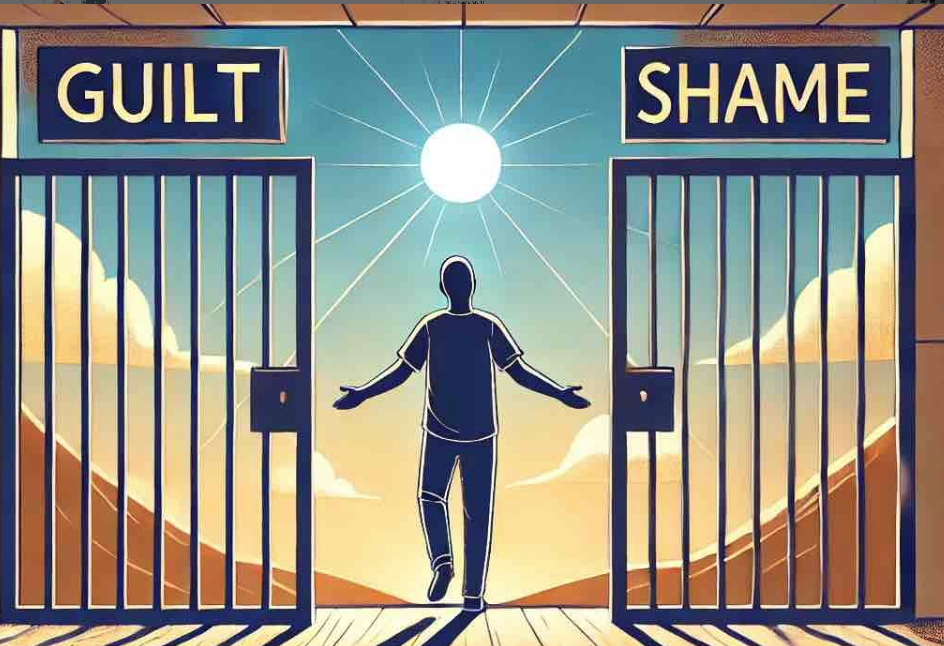

As a retired SUD therapist with over 40 years of sustained recovery, I know firsthand that combining lived experience with clinical expertise delivers measurable, lasting results. True recovery isn’t just about abstinence—it’s about confronting the pain, habits, and patterns that suffocate potential. We don’t just teach people how to stop; we teach them how to live with purpose and freedom. That is the only sustainable goal, and it is the foundation that drives long-term recovery success.
All programs within The Precision Intensive were developed and led by me as a group facilitator, specifically to address long-term recovery challenges and the gaps I observed in traditional SUD care. Research shows that integrating lived experience into treatment has measurable impact:
Peer-delivered recovery support services significantly improve engagement, retention, and outcomes—including reduced relapse rates (Bassuk et al., 2016, Journal of Substance Abuse Treatment).
My approach combines clinical best practices with four decades of personal recovery. After retiring, I invited former clients, clinicians, peer support members, and group participants to share their experiences. 75% responded, many with long-term sobriety—testifying to improved engagement, lasting recovery, and personal transformation. Importantly, The Precision Intensive recognizes that many achieve sobriety without formal treatment. Our approach empowers and supports clients from all recovery backgrounds.
The Precision Intensive delivers:
The Architect of Radical Transformation:
The Credentials of a Catalyst
“We can have anything we want for ourselves and our lives—inside of our participation in making it happen.” — Landmark Education
Clinical stabilization lays the groundwork for recovery, but achieving independence means moving from being a “patient” to taking charge as the Architect of a new life. The toughest part of treatment is not always the clinical work; it’s when a client stops relying on the facility’s safety and begins confronting the internal behaviors that undermine their progress while still in treatment.
The 3-Day Residency partners with your clinical care. I offer a clear framework for Personal Accountability, helping clients stop “acting out” and start “taking ownership.” Together, we tackle internal barriers so clients leave your facility empowered to manage their lives.
This residency is more than a workshop; it elevates your program’s impact. Let’s ensure your clients don’t just finish treatment—they win back their lives.
Contact me below today to schedule a consultation on integrating this residency into your program. Let’s discuss your program’s needs and how the residency can deliver concrete, ongoing value to your organization and the clients you serve.


Module I
“Afraid to be known, we can neither know ourselves nor any other. We will be alone.” Gaudenzia Philosophy
Strategic Intervention: Recovery stalls when we live in Effect—letting stories and excuses replace responsibility. This module guides clients through change, showing that challenges are real, but reasons feed excuses and breed powerlessness. By reframing SUD as an opportunity, clients shift from being the effect of their past to taking charge of their future.
Result: Clients break the “reason-based” identity, replacing victimhood with accountability. They find that they are no different than others and that being human is being fallible. They embrace a new power to change their actions and behaviors.
Module II
“What if who you know yourself to be is not who you really are?”
Victor Lee
Strategic Intervention: Early recovery is shaped by war stories and hidden demons. The “Shadow Man”—past failures—often triggers relapse. This session helps clients see they are not their mistakes, clearing the way for a new self-image and lasting change.
Result: Clients shift from shame to dignity, gaining the confidence to build lasting recovery and appreciate that they are not their mistakes and that their future is spotless.
Module III
“Who are you hanging around, where do they have you going, and what do they have you doing?”
Victor Lee
Strategic Intervention: In this session, we reveal how boundaries—not just people, places, and things—shape recovery. Participants quickly see the impact of poor boundaries and leave with a clear, actionable sense of how to protect their progress. This isn’t about shutting out the world; it’s about learning who and what truly deserves access. Boundaries become the foundation for sustained change.
The Result: (Our Shared Outcome) Participants leave equipped to shape their own environment, move from reactivity to intention, and confidently govern their space. The practical outcome? A new sense of control and resilience that lasts far beyond the session.
Module IV
“The way we communicate with others and with ourselves ultimately determines the quality of our lives.”
Tony Robbins
Strategic Intervention: This session will help participants identify and understand the four core communication styles—direct, indirect, supportive, and analytical—to enrich their program. Clients explore their own style, recognize how it influences interactions in group, individual, peer, and family settings, and discover the strengths and challenges. This session equips clients to navigate real-world communications more effectively.
The Result: Participants gain a deeper understanding of the value of effective communication. They learn actionable skills to identify their communication style (s) and understand their impact on others. Clients develop greater self-awareness, learn to navigate differences, and build stronger connections in group, individual therapy, peer interactions, and family settings, accelerating personal growth and engagement while in treatment, at home, and in the real world.
Module V
“Trust lost must be earned.”
Victor Lee
Strategic Intervention: Early recovery often brings the urge to seek forgiveness before real change has set in. This module teaches us to pause, focus on consistent action, and respect the healing of those still wounded. Through public accountability and transparent reflection, we move from seeking relief to embracing the dignity of the struggle.
The Result: Clients develop resilience against relapse by building trust through consistent, changed behavior—not quick apologies. This shift fosters deeper self-awareness, patience, and healthier relationships, laying a stronger foundation for a focus on recovery, which is critical to their time with you.
Module VI
Forgiveness is the fragrance the violet leaves on the heel that crushed it.
Dr. Wayne Dyer
Strategic Intervention: The Mirror Test: Radical Self-Forgiveness is the capstone of our program, designed to empower clients during their 3-Day Residency. As the glue holding the journey together, releasing ourselves from the bondage of self is key to sustaining sobriety and developing beyond it. Clinical evidence shows that self-criticism and lack of self-forgiveness fuel emotional distress and repeated substance use. Developed in 2021, this intervention invites clients to reclaim their narrative, break cycles of shame, and author their own recovery. The module culminates in a group Radical Self-Forgiveness exercise and certificate, affirming each participant’s transformation and agency.
The Result: The Mirror Test moves clients beyond basic sobriety, fostering confidence and wholeness. This approach improves outcomes and strengthens your clinic’s reputation for client-centered, transformative care.
“Afraid to be known, we can neither know ourselves nor any other. We will be alone.” Gaudenzia Philosophy
Strategic Intervention: Recovery stalls when we live in Effect—letting stories and excuses replace responsibility. This module guides clients through change, showing that challenges are real, but reasons feed excuses and breed powerlessness. By reframing SUD as an opportunity, clients shift from being the effect of their past to taking charge of their future.
Result: Clients break the “reason-based” identity, replacing victimhood with accountability. They find that they are no different than others and that being human is being fallible. They embrace a new power to change their actions and behaviors.
“Afraid to be known, we can neither know ourselves nor any other. We will be alone.” Gaudenzia Philosophy
Strategic Intervention: Recovery stalls when we live in Effect—letting stories and excuses replace responsibility. This module guides clients through change, showing that challenges are real, but reasons feed excuses and breed powerlessness. By reframing SUD as an opportunity, clients shift from being the effect of their past to taking charge of their future.
Result: Clients break the “reason-based” identity, replacing victimhood with accountability. They find that they are no different than others and that being human is being fallible. They embrace a new power to change their actions and behaviors.
“Who are you hanging around, where do they have you going, and what do they have you doing?” Victor Lee
“The way we communicate with others and with ourselves ultimately determines the quality of our lives.” Tony Robbins
“Trust lost must be earned.” Victor Lee
Strategic Intervention: Early recovery often brings the urge to seek forgiveness before real change has set in. This module teaches us to pause, focus on consistent action, and respect the healing of those still wounded. Through public accountability and transparent reflection, we move from seeking relief to embracing the dignity of the struggle.
The Result: Clients develop resilience against relapse by building trust through consistent, changed behavior—not quick apologies. This shift fosters deeper self-awareness, patience, and healthier relationships, laying a stronger foundation for a focus on recovery, which is critical to their time with you.
Forgiveness is the fragrance the violet leaves on the heel that crushed it. Dr. Wayne Dyer
“Afraid to be known, we can neither know ourselves nor any other. We will be alone.” Gaudenzia Philosophy
Strategic Intervention: Recovery stalls when we live in Effect—letting stories and excuses replace responsibility. This module guides clients through change, showing that challenges are real, but reasons feed excuses and breed powerlessness. By reframing SUD as an opportunity, clients shift from being the effect of their past to taking charge of their future.
Result: Clients break the “reason-based” identity, replacing victimhood with accountability. They find that they are no different than others and that being human is being fallible. They embrace a new power to change their actions and behaviors.
“Afraid to be known, we can neither know ourselves nor any other. We will be alone.” Gaudenzia Philosophy
Strategic Intervention: Recovery stalls when we live in Effect—letting stories and excuses replace responsibility. This module guides clients through change, showing that challenges are real, but reasons feed excuses and breed powerlessness. By reframing SUD as an opportunity, clients shift from being the effect of their past to taking charge of their future.
Result: Clients break the “reason-based” identity, replacing victimhood with accountability. They find that they are no different than others and that being human is being fallible. They embrace a new power to change their actions and behaviors.
“Who are you hanging around, where do they have you going, and what do they have you doing?” Victor Lee
“The way we communicate with others and with ourselves ultimately determines the quality of our lives.” Tony Robbins
“Trust lost must be earned.” Victor Lee
Strategic Intervention: Early recovery often brings the urge to seek forgiveness before real change has set in. This module teaches us to pause, focus on consistent action, and respect the healing of those still wounded. Through public accountability and transparent reflection, we move from seeking relief to embracing the dignity of the struggle.
The Result: Clients develop resilience against relapse by building trust through consistent, changed behavior—not quick apologies. This shift fosters deeper self-awareness, patience, and healthier relationships, laying a stronger foundation for a focus on recovery, which is critical to their time with you.
Forgiveness is the fragrance the violet leaves on the heel that crushed it. Dr. Wayne Dyer